Ambient Temperature
Maintain a suitable indoor temperature for the working or storage space.
 +86 13080774668
 contact@xgthermal.com
 Mon-Fri 9:00-18:00 UTC+8


Certified Manufacturer
ISO 9001:2015
China's Leading
Heating ManufacturerElectric ambient-air heating for industrial production workshops and storage areas, including appropriately classified hazardous environments.
XGTHERMAL’s BDRT convection-type heaters use natural air circulation to contribute to indoor temperature maintenance in petroleum, chemical and pharmaceutical facilities.
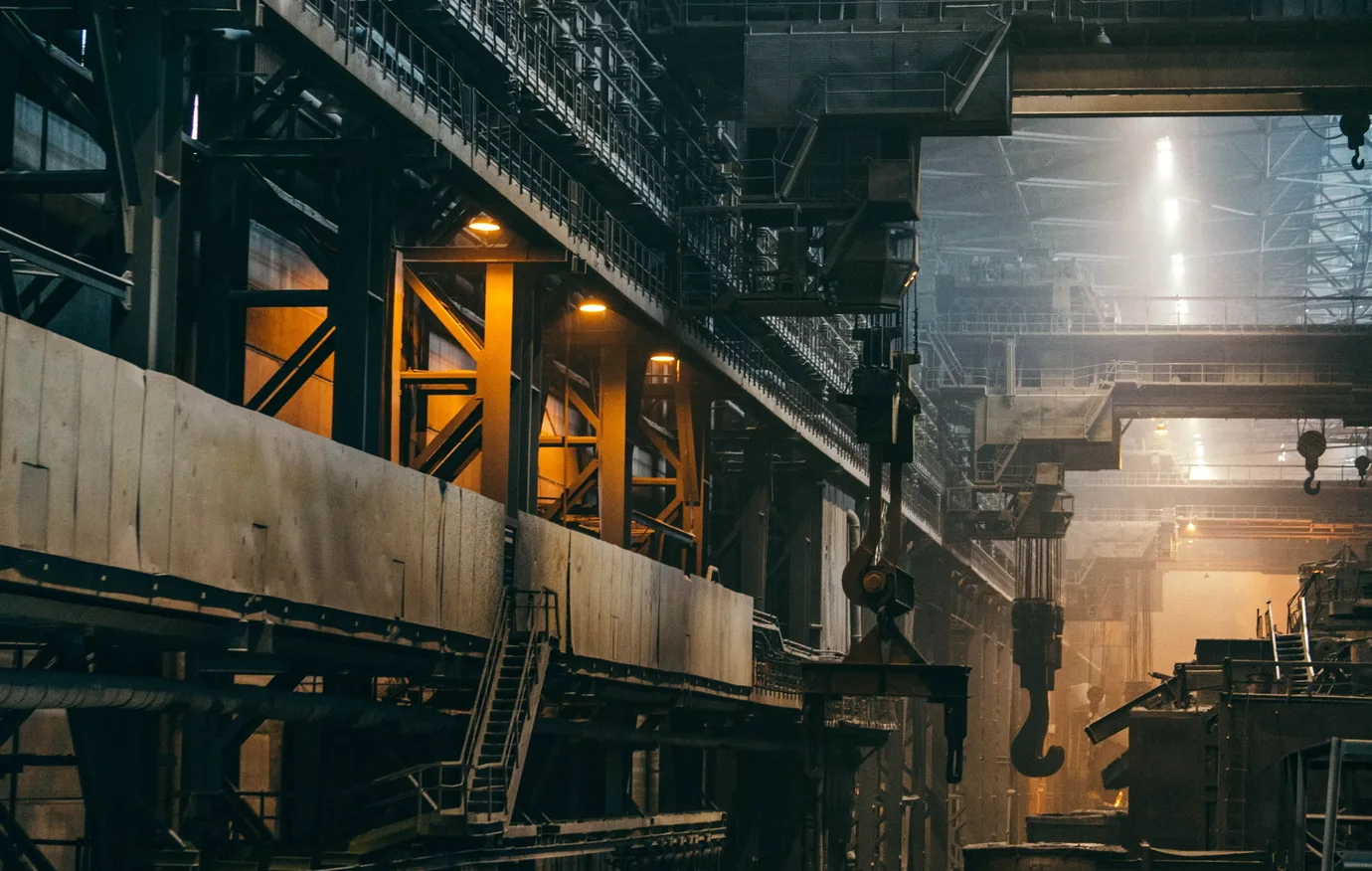
Industrial rooms and storage areas may need ambient-air heating to maintain suitable indoor conditions. Where flammable gas, vapor or dust may be present, heating equipment must also match the operating environment.
Maintain a suitable indoor temperature for the working or storage space.
Consider the enclosed space and its intended use.
Select equipment appropriate to the site’s gas, vapor or dust hazards.
The BDRT heater is designed for long-term operation; suitability depends on the selected configuration and site conditions.
The verified applications include production workshops and storage areas in petroleum, chemical and pharmaceutical industries.
Ambient heating in production workshops and storage areas.
Space heating for production workshops and storage areas, with equipment selected for the environment.
Ambient-temperature maintenance in production workshops and storage areas.
Cooler air enters from the lower part of the BDRT heater, is heated as it passes through the heater, and rises through the upper outlet by natural convection.
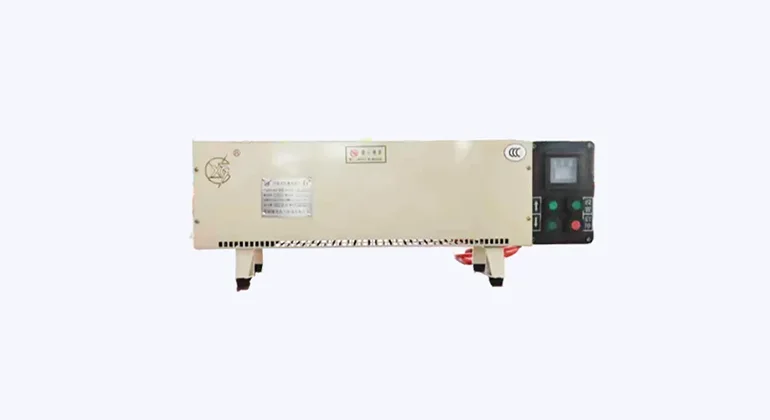
Heated air rises naturally, drawing cooler air into the lower inlet.
The heating principle relies on natural convection rather than a fan.
Repeated circulation contributes to room heating and relatively even indoor temperatures.
Product patent references: ZL201510616647.1 and ZL201510608867.X.
Warm air rising from the heater and cooler air returning toward its lower inlet promote a natural circulation loop. Repeated circulation contributes to room heating and more even ambient-temperature distribution.
Where flammable gases, oil vapor or dust may be present, electrical space-heating equipment requires additional consideration. Equipment must be selected according to the applicable site conditions and hazardous-area requirements.
The BDRT product is intended for hazardous industrial environments, subject to appropriate selection.
Electric heating provides heat without an open flame. This does not remove all ignition risks.
The selected equipment configuration and certification must match the project requirements.
The following are general engineering inputs for assessing space-heating duty—not additional BDRT product features or a fixed sizing rule.
Assess the room and operating conditions.
Identify a suitable configuration and confirm the applicable model documents against site requirements.
Share the available information about your industrial space and operating requirements to support product selection.
Answers to common questions about ambient-air heating in enclosed industrial spaces.
It is an electric heater that warms ambient air in an enclosed industrial space. The BDRT series uses natural convection for applications such as production workshops and storage areas. It is not a process-fluid heater.
Cooler air enters the heater from below. As it warms, it rises through the upper outlet. Repeated air movement promotes room circulation and contributes to more even indoor temperature distribution; actual conditions depend on the room and its heat losses.
The BDRT operating principle relies on natural convection rather than fan-driven airflow. Heated air rises naturally and cooler air returns toward the lower inlet.
Appropriately selected equipment may be used where the configuration and certification match the applicable site and project requirements. Confirm the selected model’s documentation for the actual gas, vapor or dust environment; this page does not establish a specific certification.
General assessment considers room size, building heat loss, required indoor and minimum ambient temperatures, ventilation or air exchange, and operating conditions. There is no single capacity or fixed area-based rule that applies to every industrial space.
Provide room dimensions, construction information, required indoor and minimum ambient temperatures, available heat-loss data, hazardous-area requirements, power supply, proposed location and quantity. Include any required control interfaces so their availability can be confirmed for the selected configuration.
Share your room conditions and heating objective. XGTHERMAL can review the application and help identify suitable space-heating equipment.
