Maintain gas pipeline / station temperature
Explosion-Proof Natural Gas Line Heater
Thermal-oil indirect heating for the selected natural-gas duty.
 +86 13080774668
 contact@xgthermal.com
 Mon-Fri 9:00-18:00 UTC+8

Certified Manufacturer
ISO 9001:2015
China's Leading
Heating ManufacturerEngineered heating strategies for oil and gas equipment operating in low ambient temperatures, helping maintain required process temperatures, manage cold-weather operating risks and support reliable winter operation.
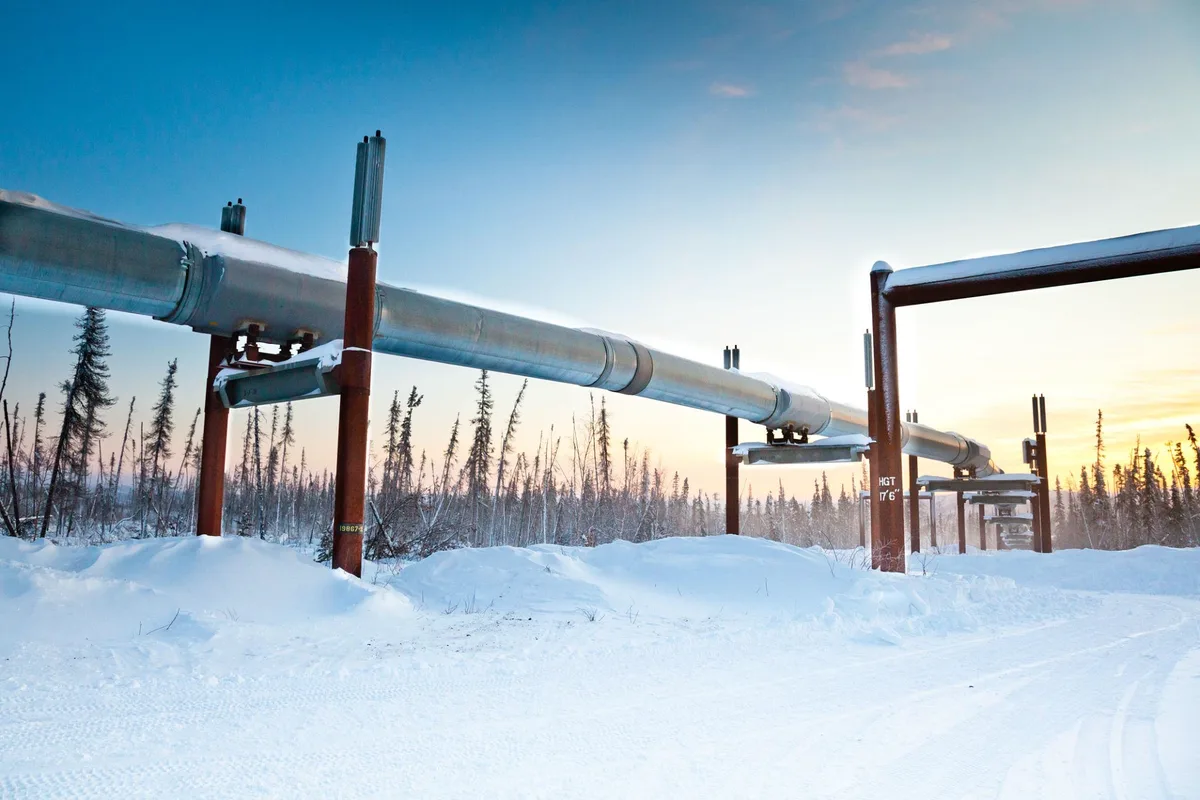
Lower ambient temperatures increase the temperature difference between warm process equipment and its surroundings, potentially increasing environmental heat loss. Maintaining the required process temperature may therefore become more demanding.
Fluid behavior and exposed components also need review. Winterization is a system-level task: different fluids, equipment and operating conditions do not share a single cold-weather failure mechanism.
Falling process temperature, greater heating demand or difficulty maintaining operating conditions.
Possible viscosity, wax, freezing or phase-behavior concerns, depending on the fluid and conditions.
Piping, valves, instruments, wellheads and small-bore connections may need localized protection.
The mechanism matters: cooling can increase crude-oil viscosity; wax concerns apply to susceptible crude oils. Free water may freeze under applicable conditions. Hydrate risk in natural-gas pressure-reduction service depends on composition, available water, pressure and temperature—not cold weather alone.
Oil and gas winterization can extend from field equipment to gathering, transfer and station processes. Each area needs its own assessment; active heating is not required everywhere.
Localized heat retention and protection of exposed field equipment.
Maintain process temperatures across gathering and production-fluid systems.
Compensate for environmental heat loss where needed for transfer temperatures.
Support required conditions in outdoor packaged equipment.
Support gas temperature where pressure reduction creates low-temperature concerns.
Application map only; the actual process sequence and protection measures are project-specific.
Effective winterization combines thermal design, insulation, heating, controls and operating strategy. These five layers provide a review framework, not a mandatory equipment list for every project.
The aim is to support safe, stable and continuous operation within the selected design conditions.
Select and coordinate the relevant layers for the fluid, equipment and operating cases.
Cold-climate process heating must account for heat delivered to the process and heat lost to the surroundings. Insulation, exposed area, wind and required process temperature influence the thermal boundary.
Startup, standby and normal running may produce different duties. Assess these operating cases separately; their maximum demands do not necessarily occur together.
A conceptual relationship, not a universal sizing equation. Final heater capacity requires project-specific engineering data and operating-case review. Allowance is not a fixed percentage, and this relationship does not mean all contributions should always be added at their individual maximum values.
Start with the engineering requirement, then review the relevant heating approach. The options below serve different duties and are not interchangeable.
Thermal-oil indirect heating for the selected natural-gas duty.
Continuous-flow heating selected for the crude properties and required temperature.
Indirect oil, gas or multiphase heating where the process conditions suit this architecture.
Localized heat retention; reviewed with heat loss, mounting and the site freeze-protection objective.
Heater, pump, make-up water tank and controls serving compatible tank coils or radiators.
Ratings, installation limits and hazardous-area requirements must be checked for the selected configuration. Local wellhead thermal-balance heating is distinct from raising the temperature of a flowing process stream; additional monitoring is reviewed where required.
Existing project references illustrating different cold-region duties. These cases do not establish a universal minimum ambient-temperature rating for every XGTHERMAL heater.
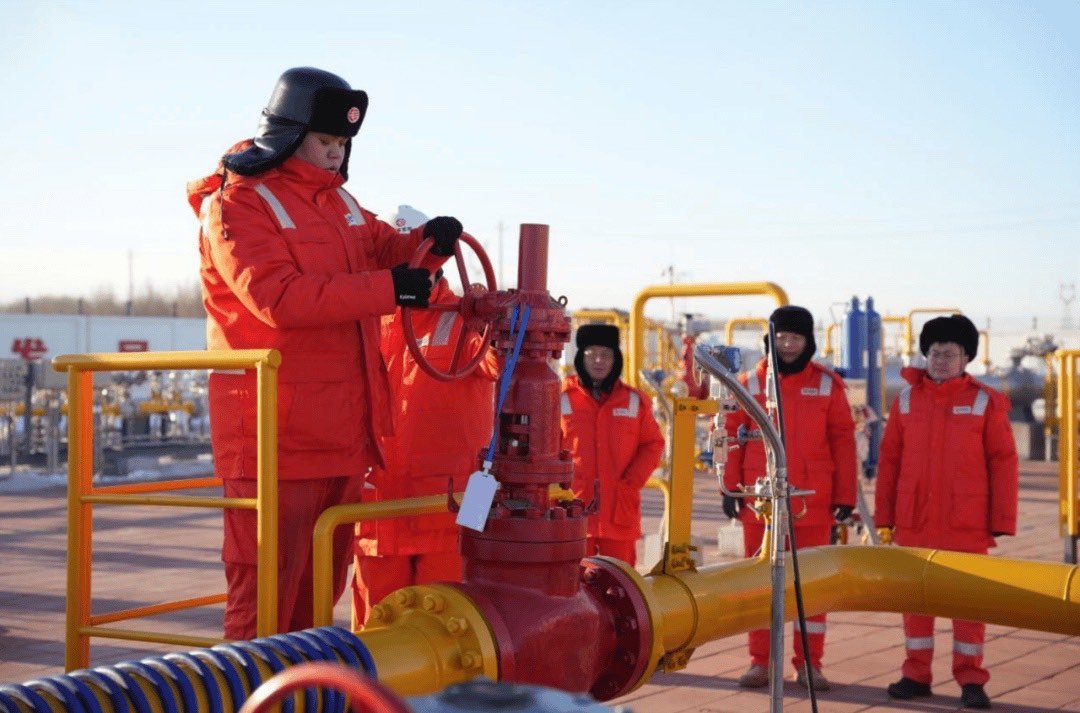
Indirect thermal-oil electric heating across three stations on the China–Russia East Route Nenjiang Branch, supporting gas-temperature management in a severe winter environment.
Project photo: PipeChina Northern Pipeline / China City News.
View Nenjiang Project
A 600 kW skid-mounted electromagnetic heating package for water-cut crude oil. The documented duty addresses outdoor desert and winter conditions, crude-oil transfer and downstream separation feed.
View Xinjiang Project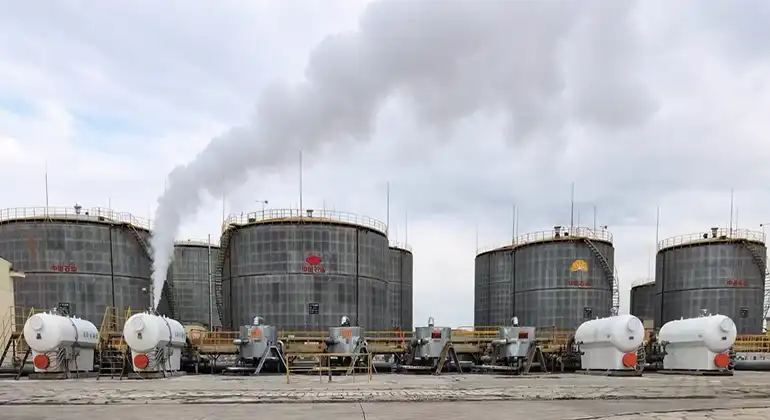
Vacuum phase-change electric heating for oilfield gathering and production fluids, documented as a steam-heating replacement in a desert and cold-winter operating environment.
View Xingang ProjectShare the information you have. XGTHERMAL can help clarify the remaining inputs for a site-specific winterization assessment.
Industrial winterization is the selection of thermal design, insulation, heating, protection and operating measures for equipment exposed to cold conditions. In oil and gas service, the measures depend on the fluid, process temperatures, equipment limits and site conditions. Not every installation requires active heating.
Review process heating, environmental heat loss and relevant startup or recovery cases using project-specific data. Ambient temperature, wind, insulation, equipment area, fluid properties, flow and required temperatures affect the assessment. A universal percentage allowance is not a substitute for this engineering review.
Insulation reduces heat loss but does not add heat. It may be sufficient for some operating conditions or limited standby periods. Active heating or other measures may be needed where the required temperature cannot otherwise be maintained. The decision depends on heat loss, process heat input, fluid behavior and operating duration.
Possible measures include insulation, suitably controlled standby heating, circulation where appropriate and planned restart procedures. Drainage or other protection measures may also need consideration for vulnerable sections. Selection must account for the fluid, standby duration, power availability and equipment limits; no single measure guarantees freeze or hydrate prevention.
The duty determines the approach. Process-line heaters, indirect systems, local wellhead heaters and circulating-water packages serve different purposes. Fluid properties, heat loss, minimum process temperature, startup conditions, hazardous-area requirements and site constraints should be reviewed before a technology is selected.
Provide site climate and exposure, fluid properties, operating and design conditions, equipment dimensions, insulation and required temperature limits. Warm-up time, standby duration, power supply, hazardous-area classification and control requirements help define the complete winterization scope.
Share your minimum ambient temperature, process conditions and operating requirements. XGTHERMAL can help evaluate the heating strategy and required system configuration.
