General Crude Oil Behavior
- Temperature decreases
- Viscosity can increase
- Flow resistance can increase
- Potentially higher pumping demand / reduced transportability
 +86 13080774668
 contact@xgthermal.com
 Mon-Fri 9:00-18:00 UTC+8

Certified Manufacturer
ISO 9001:2015
China's Leading
Heating ManufacturerEngineered electric heating solutions for crude oil production, gathering and pipeline applications, helping maintain fluid temperature, manage viscosity and support reliable flow under demanding operating conditions.
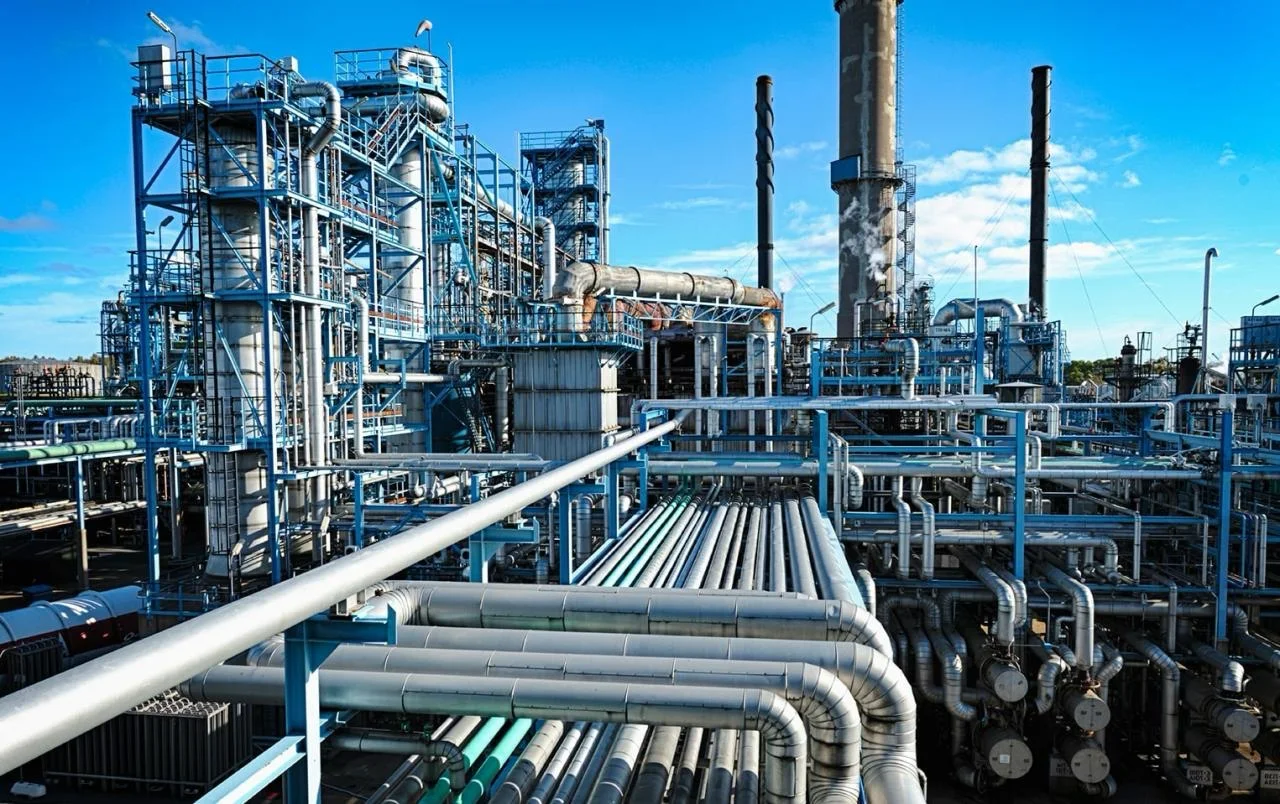
As temperature decreases, crude-oil viscosity can increase. Higher viscosity increases flow resistance and can make pipeline transfer, gathering and pumping more difficult. The extent of this change depends on the fluid’s properties and operating conditions.
For waxy crude oils, cooling may also increase wax precipitation and deposition tendency. Deposits can restrict the available flow area and make transport more difficult. Not all crude oils show the same wax behavior, so fluid data should guide the heating strategy.
Crude oil heating is considered where temperature affects transfer, processing or the ability to maintain flow.
Maintain a suitable crude-oil temperature during transfer and pipeline transport.
Heat production fluids during gathering and transfer before downstream treatment.
Condition crude oil or multiphase production fluids before separation where required by the process.
Maintain workable fluid conditions during startup and continuous operation at low ambient temperatures.
Maintain temperature for tank withdrawal, transfer or downstream processing.
XGTHERMAL offers three electric heating architectures for crude oil and production fluids. The choice depends on fluid properties, flow, temperature, pressure, fouling sensitivity and project requirements. No single route is best for every duty.
Continuous-flow crude-oil heating for pipeline, transfer and process duties.
Indirect heating for crude oil and production fluids where heat-transfer conditions and fouling sensitivity need attention.
Electric induction heating for relevant oilfield crude-oil and production-fluid duties.
Conceptual heating principles only. Equipment arrangement, flow path and supplied configuration are project-specific.
A sensible heat balance gives an initial estimate of the heat needed for the specified mass flow and temperature rise, using a representative specific heat capacity.
For flow in kg/h and specific heat in kJ/(kg·K), divide the result by 3,600 to obtain kW.
Process heating duty is not final installed heater capacity. Heat losses, startup needs and the operating envelope require separate review. The simple equation does not model phase changes, multiphase behavior or the fluid’s viscosity and wax characteristics.
Use the Crude Oil Heating Duty CalculatorOpen the Calculator tab in the product page’s support section. Use the fluid properties for your duty; results are preliminary, not a final equipment selection.
Crude oil can form deposits on heated surfaces when local surface temperature is excessive or when operating conditions promote fouling. Heater selection therefore needs to consider not only total kW, but also how that heat enters the fluid.
Surface area, watt density, fluid velocity and residence time all matter. A design that manages local surface temperature can help reduce fouling risk; it cannot guarantee that deposits or coking will never occur.
Two oilfield applications from XGTHERMAL’s existing project record, illustrating different heating routes and process requirements.

A 600 kW skid-mounted electromagnetic heating package for water-cut crude oil at an oil transfer station, with local HMI operation and MODBUS-RTU integration for station monitoring.
View Xinjiang Project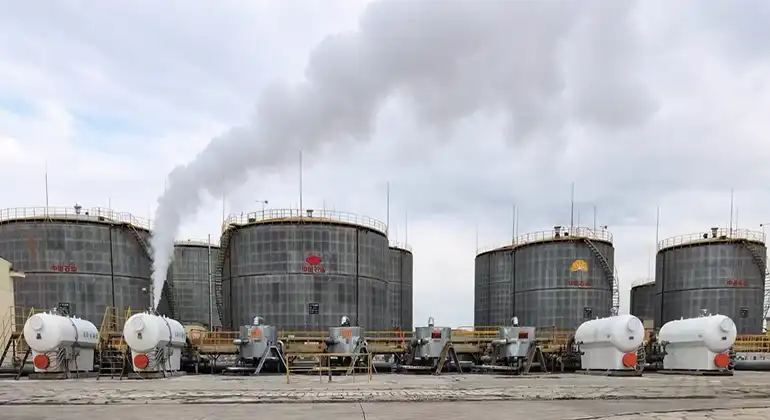
Vacuum phase-change indirect electric heating for oilfield production fluids, supporting temperature conditioning and low-temperature flow assurance through a separate heat-transfer medium.
View Xingang ProjectShare the process information you have. Our engineering team can help identify the remaining inputs for a crude oil heating assessment.
Cooling can increase crude-oil viscosity, raising flow resistance and pumping demand. Waxy crude oils may also develop precipitation and deposition concerns. The response varies with composition, temperature history and operating conditions.
Heating can reduce viscosity and help achieve the flow conditions required for transfer or processing. The useful temperature range must be established from the actual fluid’s viscosity-temperature relationship and process limits, rather than a universal target.
There is no single recommended temperature for all crude oils. The target depends on fluid properties, the required viscosity, wax and pour-point behavior, process requirements and downstream conditions. Allowable surface temperatures and the operating envelope also need review.
Circulation, vacuum phase-change indirect and induction heating may each be considered for appropriate duties. Selection should account for viscosity at startup, flow range, surface loading, pressure, fouling sensitivity and maintenance needs. One architecture is not universally superior.
Heating surface area, watt density, flow distribution and temperature control affect local heat-transfer conditions. Minimum-flow protection and suitable startup and shutdown procedures also matter. These measures can help reduce risk but do not eliminate the need for fluid-specific assessment, inspection or cleaning.
Provide the fluid properties, flow range, inlet and target outlet temperature, operating and design pressures, ambient conditions and duty cycle. Wax-related data, water cut, electrical supply, hazardous-area classification and installation / control requirements help define a suitable package. The sensible heat balance is a starting point, not the complete sizing method.
