Large Pressure Drop
Significant pressure reduction can cause substantial gas cooling. The pressure profile and gas properties establish the thermal margin needed.
 +86 13080774668
 contact@xgthermal.com
 Mon-Fri 9:00-18:00 UTC+8

Certified Manufacturer
ISO 9001:2015
China's Leading
Heating ManufacturerEngineered electric heating solutions for natural gas pipelines, pressure-reduction stations and high-pressure wellstreams, helping maintain required gas temperatures across demanding operating conditions.
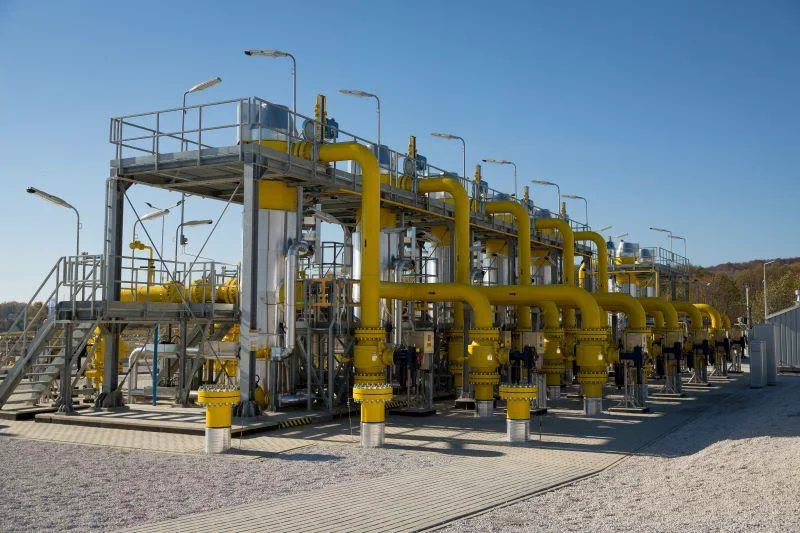
When high-pressure natural gas passes through a pressure regulator or control valve, its temperature may decrease due to the Joule–Thomson effect. The temperature change depends on gas composition, inlet pressure and temperature, outlet pressure, and the operating conditions.
If downstream temperature becomes too low, concerns may include hydrate formation, condensation, icing, or operation below the temperature limits of downstream equipment. These risks depend on the gas and the presence of water or condensable components.
Preheating upstream of pressure reduction adds thermal margin before the pressure-related temperature decrease occurs. The target is the required downstream gas temperature, not simply a higher heater outlet temperature.
Preheating is considered when one or more of these conditions apply.
Significant pressure reduction can cause substantial gas cooling. The pressure profile and gas properties establish the thermal margin needed.
Cold climates can reduce inlet gas temperature and the available downstream temperature margin.
Low gas temperatures can increase hydrate, condensation or icing concerns, depending on composition, water content and process conditions.
Downstream pipelines, metering systems and other equipment may require gas to remain above a specified minimum temperature.
XGTHERMAL offers two proven indirect electric heating architectures for natural-gas preheating. Selection depends on pressure level, flow rate, temperature requirements, gas composition, ambient conditions and project specifications.
Temperature control, pressure-boundary design and protective interlocks are configured for the selected architecture and station duty.
Controlled preheating for natural-gas pipelines and pressure-regulating stations.
High-pressure gas and gas-containing wellstream preheating before throttling or pressure reduction.
Start with the required temperature after pressure reduction. A process calculation establishes the necessary preheat temperature; a sensible heat balance then provides an initial heating-duty estimate.
Heating duty should not be selected from gas flow rate alone. This single-phase sensible-heat estimate uses a representative heat capacity. It does not calculate Joule–Thomson cooling, condensation or hydrate formation.
Use the Natural Gas Heating Duty CalculatorChoose the Calculator tab in the product page’s support section. Final sizing may require a gas-property / enthalpy calculation.
In severe winter environments, pressure-reduction cooling can combine with low ambient temperature, reducing the available thermal margin downstream of the regulator.
Reliable cold-weather operation requires consideration of heater sizing, insulation, minimum downstream temperature, controls, startup conditions and other winterization requirements.
Explore Cold-Region Heating Solutions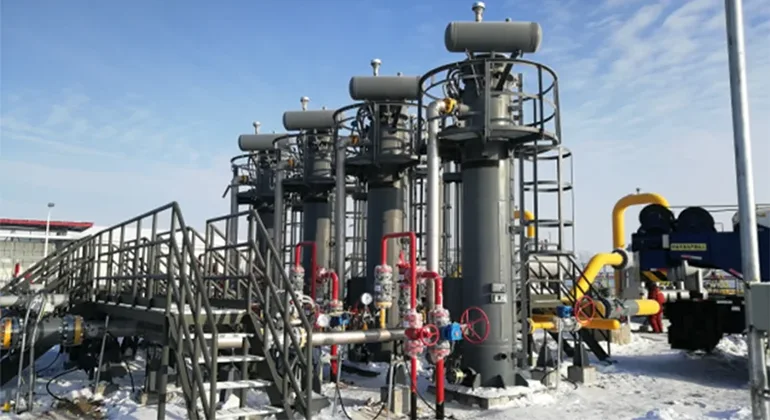
Related station and wellhead applications from XGTHERMAL’s project record. Each package reflects its own process conditions and heating architecture.

Two 100 kW electric heater skids in a duty-and-standby arrangement, supplied for temperature compensation at a natural gas offtake point.
View Qianjiang–Shaoguan Project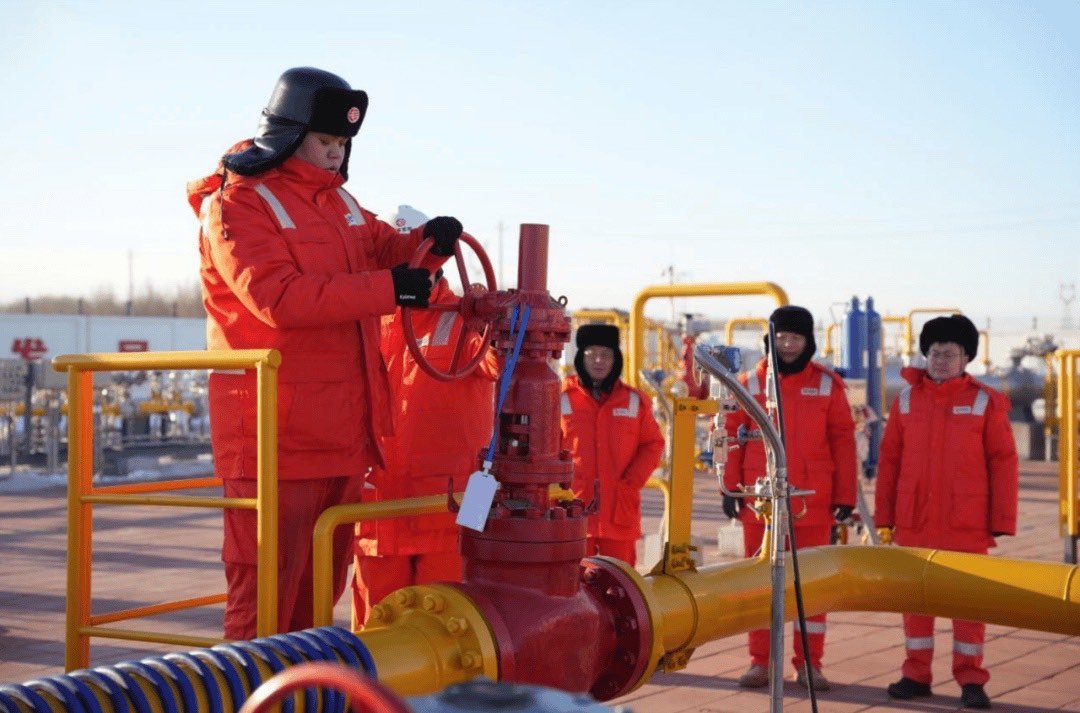
Indirect thermal-oil electric heating for three stations in a severe winter region, with safety interlocks and remote station control supporting pressure-regulation heating.
View Nenjiang Branch Project
Phase-change indirect heating of a high-pressure gas, oil and water wellstream before choke-valve pressure reduction, addressing hydrate, wax and low-temperature blockage risks.
CCTV-13 image: public project context, not a photograph identifying XGTHERMAL’s heater.
View Jidong ProjectTo evaluate a natural gas preheating duty, please provide the main process and operating conditions below. Share the information you have; our engineering team can help clarify the remaining inputs.
Pressure regulation is approximately a constant-enthalpy throttling process. Under many gas-station operating conditions, the Joule–Thomson effect causes cooling. Its magnitude and direction depend on the gas composition and thermodynamic state; there is no universal temperature drop per unit of pressure reduction.
The required preheat temperature is established from the minimum acceptable downstream temperature, the pressure drop and gas-property data. Inlet temperature, flow range, heat losses and startup conditions also matter. A station process calculation should establish the target before heater duty is selected.
Preheating can help keep gas above the relevant hydrate-formation conditions, but it is not a universal guarantee. Hydrate risk depends on gas composition, available water, pressure, temperature and operating conditions. Dehydration, inhibition or other process measures may also be required.
Not in either XGTHERMAL architecture described here. In the thermal-oil design, heat passes from the oil to the gas across a separate process boundary. In the vacuum phase-change design, evaporation and condensation transfer heat to a separate pressure-bearing process coil. Both keep the process stream separate from the electric heating elements.
Provide gas composition, water content, flow range with reference conditions, inlet and outlet pressures, inlet gas temperature, required downstream temperature and ambient conditions. Electrical supply, hazardous-area classification, control requirements and the governing operating cases complete the selection basis.
