• ISO-Certified Manufacturer

    ISO 9001 · 14001 · 45001
  • Electric Heating Expertise

    Manufacturing Since 1992

Oilfield Vacuum Phase-Change Heating Project

Replacing steam-based heating with an indirect electric heating approach for oilfield gathering and transportation.

Project overview

Electric heating at the point of use.

This oilfield application required an alternative to conventional steam heating for gathering and transportation duties in a cold outdoor environment. XGTHERMAL supplied vacuum phase-change electric heating equipment for the retrofit.

Industry
Oil & gas production
Region
Xinjiang, China
Year
2022
Application
Gathering & transportation heating
Supply scope
Vacuum phase-change electric heating equipment
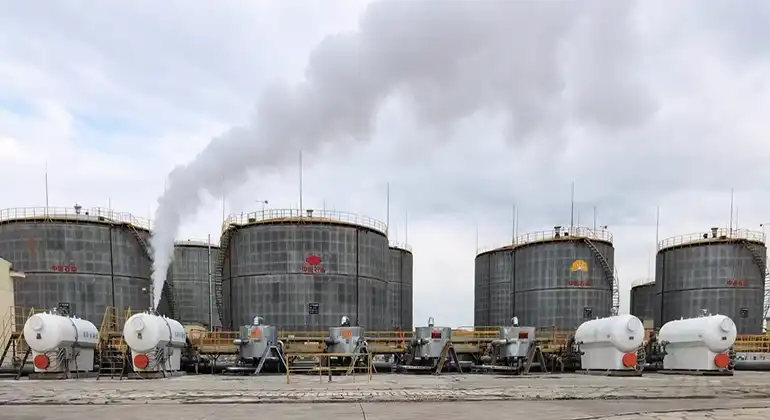
Vacuum phase-change heating equipment — product reference image.
The engineering challenge

Rethinking the steam-heating route.

The existing route involved a steam heat source, distribution pipework and supporting services. Outdoor steam distribution added heat loss, while boiler operation brought fuel handling, water treatment and maintenance requirements.

The retrofit needed to maintain gathering and transportation temperatures through cold winter conditions and desert wind exposure. Reducing steam-network losses and auxiliary maintenance had to be considered alongside wax deposition, blockage risk and changing production demand.

Equipment configuration

A 260 kW-class indirect heating package.

The supplied heating equipment combines vacuum phase-change heat transfer with automatic control for outdoor oilfield service.

Heating capacity
260 kW-class heating package
Process service
Oil and gas gathering & transportation
Heating route
Electric, indirect vacuum phase-change heat transfer
Control
PLC-based automatic temperature control with local interface
Monitoring
SCADA-ready remote monitoring
Protection
Overtemperature, overpressure, no-flow and electrical protection
Our approach

Heat transfer, controls and integration.

The engineering approach addresses process-stream isolation, heating uniformity and the control requirements of an oilfield retrofit.

Indirect heat transfer

Electric elements heat an intermediate working fluid. Vapor transfers heat to the process coil, and condensate returns by gravity. The elements remain isolated from the process stream. Vapor condensation transfers heat to the coil, supporting more uniform heating and reducing direct exposure of the process fluid to electric-element surface temperatures.

Temperature control

PLC-based automatic temperature control regulates heating output around the required process temperature. A local operator interface and SCADA-ready communication support field operation and remote monitoring.

Field integration

The equipment arrangement brings the heat source closer to the heating duty. Process and electrical protection are integrated with station controls, including overtemperature, overpressure and no-flow protection. Detailed trip settings remain specific to the installation.

Project value

Beyond replacing the heat source.

Simpler heating infrastructure

The electric heating route reduces dependence on a boiler room and distributed steam services. Indirect heat transfer separates the electric elements from the oil and gas stream, while automatic regulation supports the required operating temperature.

Energy and operating cost

Project materials report annual steam-heating cost savings of approximately RMB 6 million. This is a project-specific reported figure, rather than a guaranteed saving for other installations. The reported benefit combines changes to fuel consumption, steam-distribution losses, auxiliary services and maintenance. It is not an efficiency measurement for an individual heater; comparison depends on the original steam system, operating hours, energy prices and heating demand.

Operation and maintenance

Local operation and remote monitoring bring temperature, pressure, power status and alarms into the station operating environment. The retrofit provides a practical reference for reviewing boiler support, steam-network maintenance and heating-related production interruptions alongside the required process duty.

Let’s discuss your
heating requirements.

Share your specifications or drawings with our engineering team.

Chat on WhatsApp